
Sustainability
Our sustainable forest management model is based on three pillars, including ecological, economical and social sustainability
Innovation
Sustainability Benefits
Our sustainable forest management model aims to shift society’s demands for forest products – like timber, poles, charcoal and firewood from the remaining rainforest.

Environment
Sustainable forest management offers critical environmental benefits by enhancing biodiversity, sequestering carbon to combat climate change, and protecting water and soil resources. Through sustainable practices like reduced-impact logging and reforestation, forests remain resilient, providing habitat for over 80% of terrestrial species, purifying air, and ensuring long-term ecological balance.
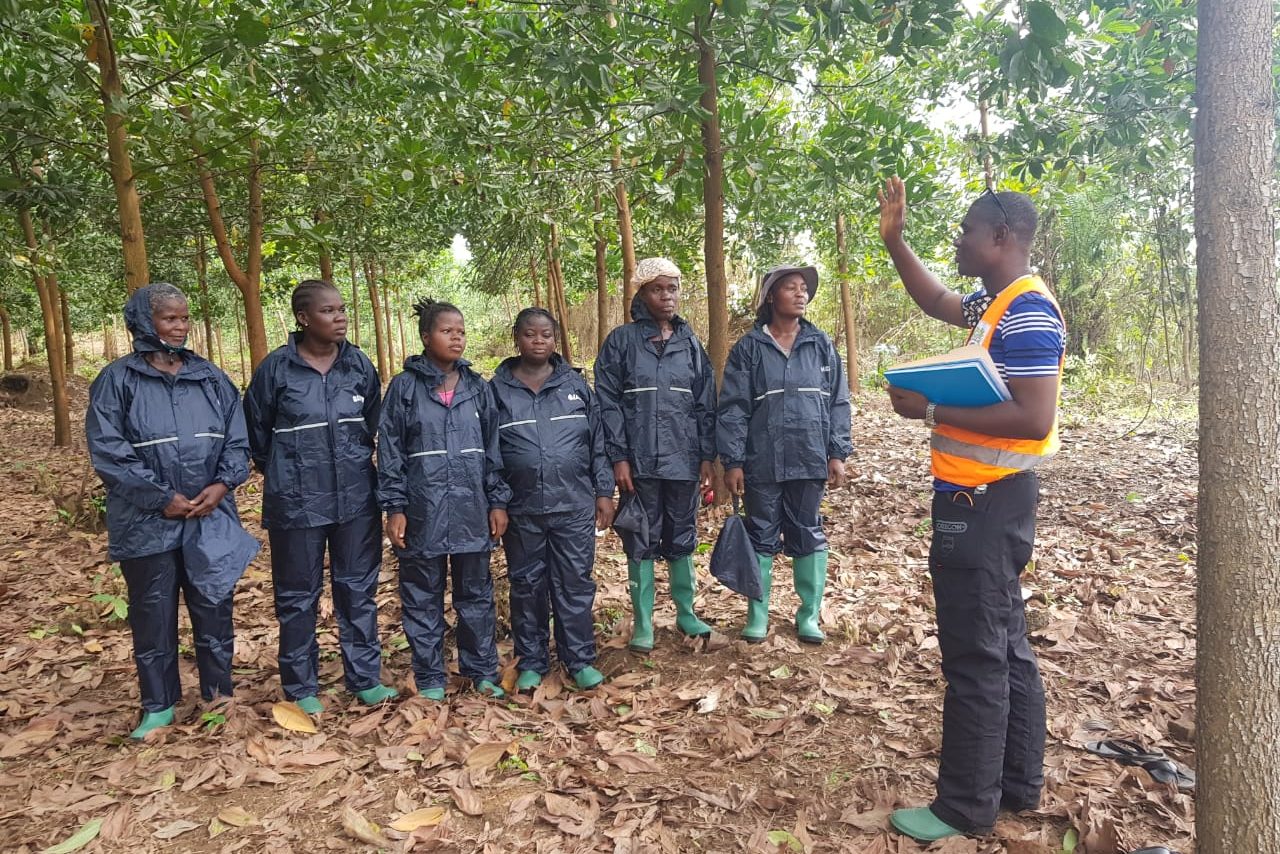
Social
Social sustainability in forest management fosters community well-being, economic stability, and cultural preservation by ensuring forests provide long-term benefits to people. It supports livelihoods through jobs and resources, protects worker rights, respects indigenous rights, and provides spaces for recreation, health, and cultural, spiritual connection.
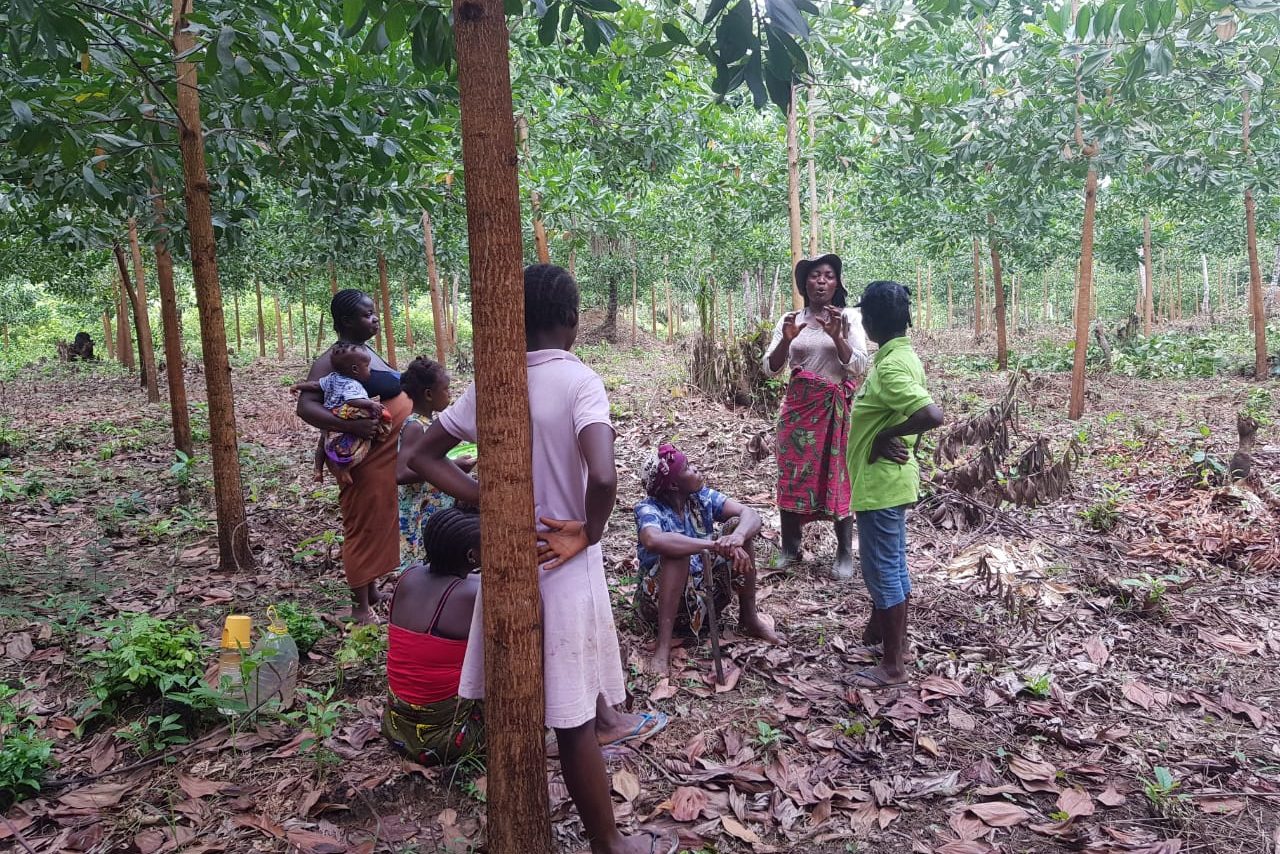
Economy
Sustainable forest management (SFM) provides rural communities with essential economic stability by creating jobs in harvesting, processing, and eco-tourism, while diversifying income through non-timber forest products like nuts and medicinal plants. It fosters long-term prosperity through sustainable timber sales, increased local tax revenues, and improved property values.
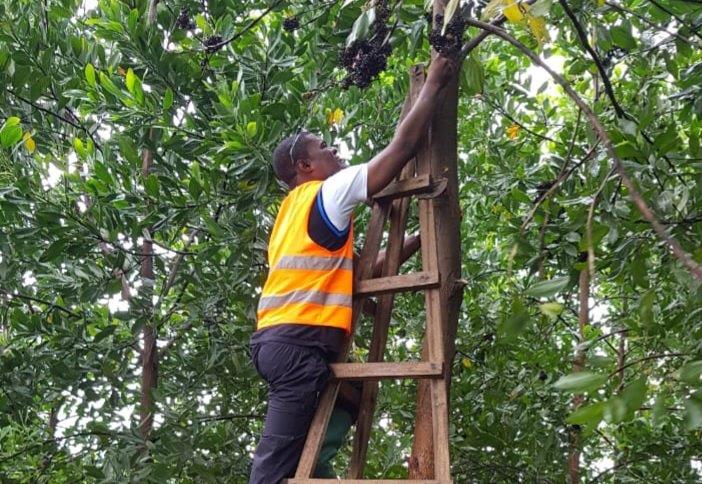
Demands & Solution
Forest resources are under intense pressure from increasing societal demands for timber, fiber, and land, resulting in deforestation and degradation. Sustainable Forest Management (SFM) provides a solution by balancing economic, social, and environmental needs, ensuring that forests remain healthy, productive, and able to provide for future generations, while harmonizng the extraction of resources with the preservation of biodiversity and ecosystem services.
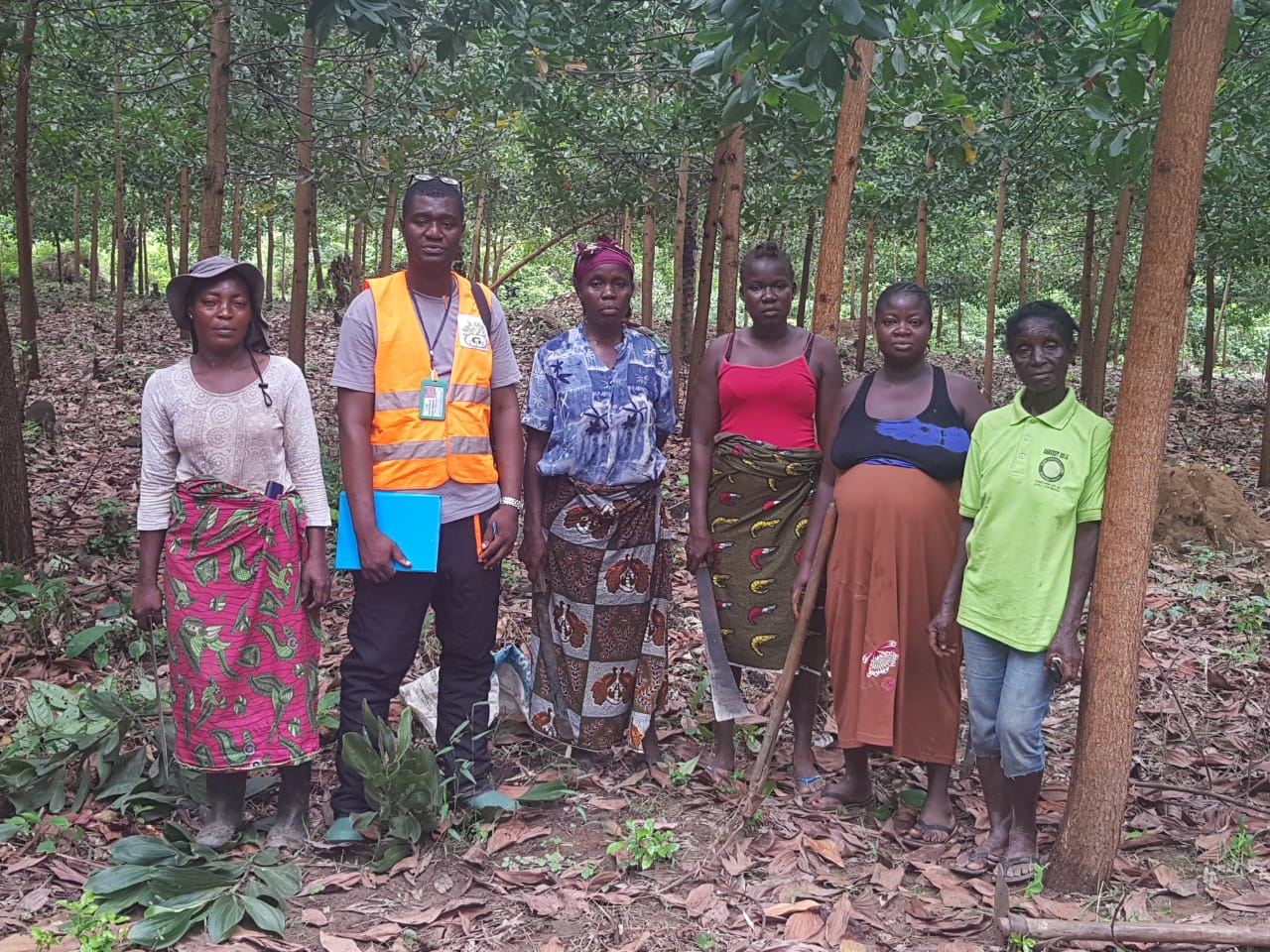
Local Livelihoods
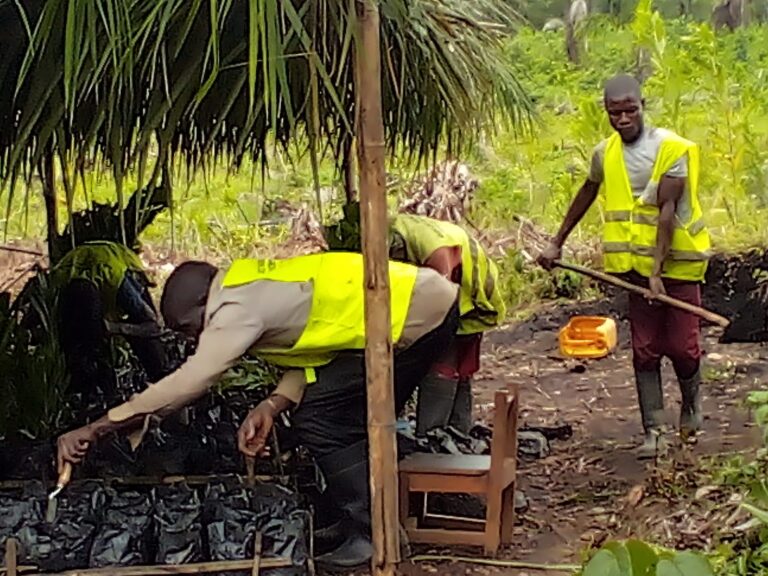
Forest management and sustainable livelihood strategies combine ecological stewardship with economic opportunities, focusing on responsible resource use, community involvement, and income diversification. Key practices include selective logging, reforestation, and agroforestry, ensuring long-term forest health while providing, supporting, and improving local livelihoods through, for example, the sale of timber and non-timber forest products.
Monitoring & Evaluation
Monitoring and evaluation in sustainable forest management involves the systematic, continuous tracking of forest conditions and management activities to ensure long-term ecological, social, and economic health. It uses criteria and indicators to measure forest resources, biodiversity, and health, allowing for adaptive, evidence-based management.
2030
Sustainable Development Goal
Forward Looking
Sustainable Development Goal
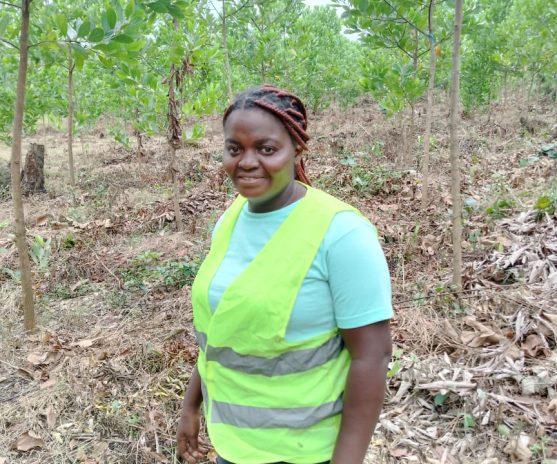
Sustainable reforestation, tree planting, and sustainable forest management (SFM) are critical to achieving UN Sustainable Development Goal 15 (Life on Land), aiming to halt deforestation, restore degraded forests, and boost biodiversity by 2030. These practices, such as our sustainable forest management model of active management and replanting, secure renewable resources, mitigate climate change, and protect ecosystems.
Our three pillars
- Ecological
- Social
- Economical
We Are carring rural children along
Every child has the right to education
“Be a benefactor to the needy, parent to the orphans and blessing to the poor”